September 3, 2026
Severe weather can take a heavy toll on a home, and the roof is almost always the first line of defense against nature's elements. While some storm damage causes immediate, dramatic leaks, other forms of destruction start small and slowly rot out your home's framing over several months. Catching these subtle issues early is the key to protecting your property value, avoiding massive replacement costs, and keeping your household dry and secure.
Taking proactive care of your shelter is essential for maximizing your initial home investment. According to This Old House, taking care of your roof through routine inspections, clearing gutters, trimming overhanging branches, and tackling minor repairs right away can add an extra five to ten years to its lifespan. However, even the best maintenance routine cannot completely shield a house from severe meteorological events. Knowing what to look for after a major storm passes allows you to act quickly before minor structural vulnerabilities turn into major structural failures.
1. Missing, Cracked, or Curled Shingles
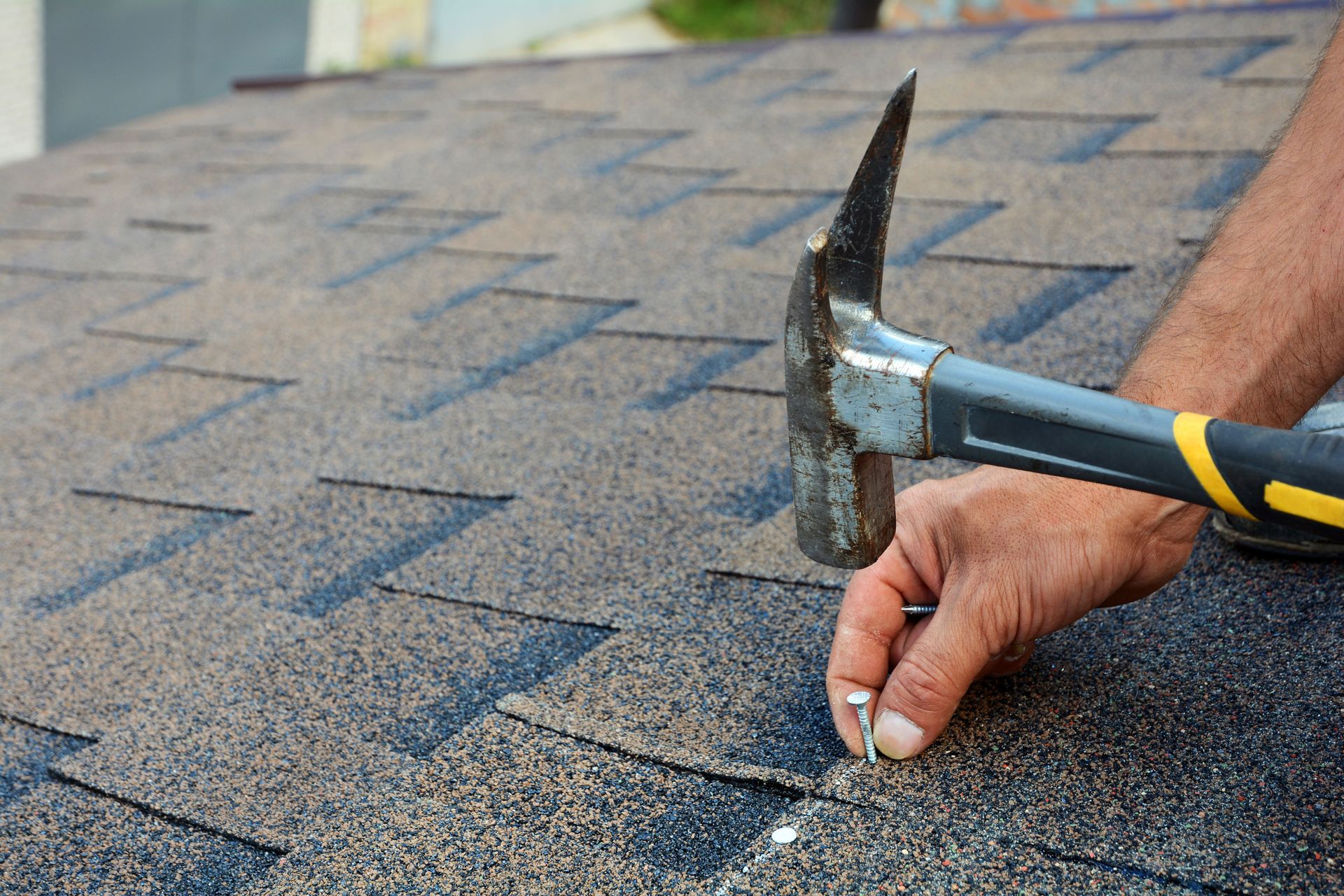
One of the most immediate indicators of severe wind impact is damaged or completely absent asphalt shingles. Powerful gusts can easily get underneath aging shingles, breaking their thermal sealant bond and ripping them straight off the roof deck. Even if the shingles remain attached, severe winds can cause them to crease, curl, or crack along their surface. A creased shingle has lost its structural integrity and can no longer effectively shed water during the next rainfall.
It is critical to scan your roofline from the ground after high winds pass through your neighborhood. If you notice bare patches, exposed underlayment, or distorted shingle edges along the peaks and corners of your roof, water is likely already finding its way into the subdecking. While replacing a few missing pieces seems like a simple afternoon DIY job, hiring experienced local roofers ensures that the underlying adhesive sealant is correctly re-established and that surrounding shingles were not secretly loosened by the storm.
2. Granule Loss and Hail Dents
Hailstorms present a very specific threat to asphalt shingle roofs, often causing damage that is difficult to spot from a distance. When hail impacts a shingle, it knocks loose the protective outer layer of mineral granules. These granules serve as the main shield against ultraviolet sun rays, fire hazards, and water penetration. Once granules are scraped away, the dark underlying asphalt substrate is exposed directly to the harsh weather elements, drastically accelerating the shingle's deterioration.
You can often detect granule loss by checking your downspouts and gutter basins after a severe hail event. If you see large accumulations of dark, sand-like grit washing out of your gutters, your shingles have likely suffered impact damage. Additionally, hail impacts can leave soft, dark circular indentations across the roof surface that break the internal fiberglass matting. Having certified local roofers conduct a thorough hands-on inspection after a hail event helps document these impact marks properly for insurance claims before long-term leaks develop.
3. Bent Metallic Flashing and Chimney Seals
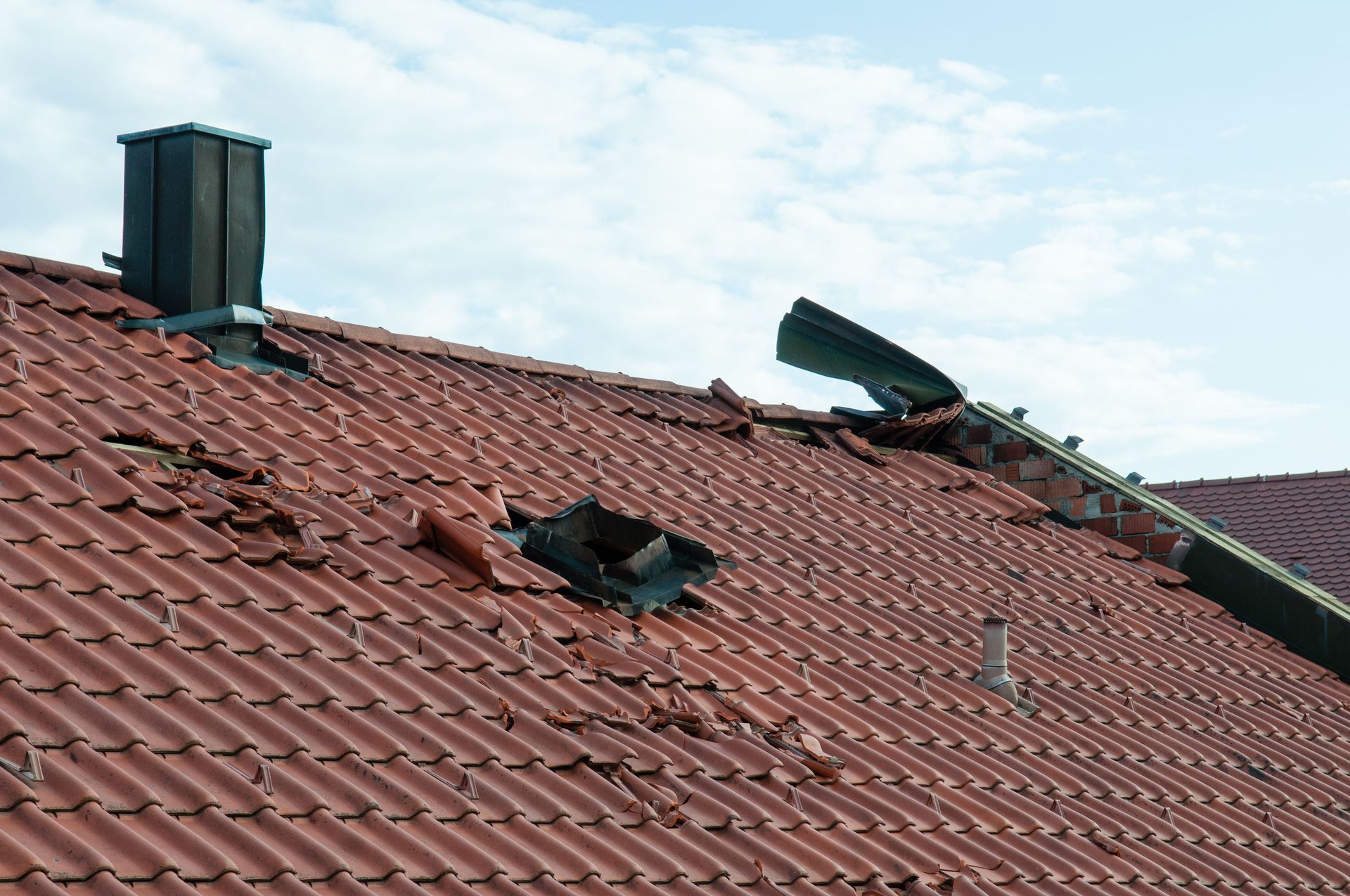
Roofing systems rely on far more than just shingles to keep water out of your living space. Metallic flashing strips are installed around critical intersection points, including chimneys, skylights, roof valleys, and vent pipes. Severe storms featuring heavy winds, hail, or falling branches can easily bend, puncture, or pull flashing away from the brickwork and decking it is designed to seal. Once flashing is displaced, heavy rainfall flows straight behind the barriers and into your walls.
Inspecting flashing requires looking closely at the seams and joints along your roof line. Dented metal flashing from hail strikes can break the waterproof caulking sealant along chimney bases and roof valleys. Even small gaps in chimney flashing will allow water to trickle down inside your fireplace wall or surrounding framing, often leading to hidden drywall rot. Because flashing repair demands precise metal bending and specialized sealant application, consulting trusted local roofers guarantees that these high-risk intersection points remain completely watertight.
4. Water Stains on Ceilings and Walls
Not all storm damage is visible by looking at the outside of your house. Sometimes the clearest signs of roof failure appear inside your living space days or even weeks after a major storm has passed. Water that penetrates a damaged roof often travels along internal rafters, ceiling joists, and electrical conduits before finally dripping through your ceiling drywall. This means the location of an interior water stain does not always line up directly with the location of the exterior roof leak.
Keep a close eye out for discolored, brownish rings or bubbling paint on upper-floor ceilings and top-story walls. If you notice paint peeling near a wall corner or damp patches in your upstairs closets, a storm leak is actively occurring behind your drywall. Delaying action on internal water stains leads directly to toxic mold growth and weakened ceiling joists. Experienced local roofers can trace the hidden pathway of incoming moisture back to its exact exterior source on your roof, fixing the core issue before secondary interior damage worsens.
5. Misalignment and Blockages in Gutters
Your gutter system plays a crucial role in directing thousands of gallons of rainwater safely away from your home's foundation. During high-wind events, falling tree limbs can strike gutter channels, causing them to bend, pull away from the fascia board, or crack completely open. Furthermore, severe storms frequently strip leaves, small twigs, and heavy debris from nearby trees, sweeping them straight into your gutters and clogging the downspout openings.
When gutters become misaligned or clogged, torrential rainfall has nowhere to flow. The backed-up water ponds along the lower edges of your roof deck, seeping underneath the bottom layer of shingles in a process known as ice damming or water backup. If you observe water cascading like a waterfall over the sides of your gutters during heavy rain, your drainage system has failed. Professional local roofers can repair bent gutter hangers, realign proper drainage slopes, and install protective gutter guards to prevent storm debris from creating future backups.
6. Mold and Wood Decay in Attics
The underside of your roof deck inside your attic offers an unfiltered look at your roof's overall health after a storm. Taking a flashlight into your attic space after heavy weather can reveal minor leaks long before they show through your bedroom ceiling drywall. Pay close attention to the underside of the plywood roof sheathing, looking for dark damp spots, white mineral streaks, or active water droplets hanging from structural nails.
Additionally, pay attention to the smell of your attic space. A persistent musty odor or the visible presence of black speckling along wooden rafters indicates elevated humidity caused by rainwater intrusion. Wet attic insulation loses its thermal efficiency quickly, causing your home heating and cooling energy bills to spike unexpectedly. When attic inspections reveal damp insulation or softening plywood decking, scheduling prompt repairs with reputable local roofers ensures that damaged wood is replaced before structural rot threatens your entire attic framing.
7. Damaged Trim
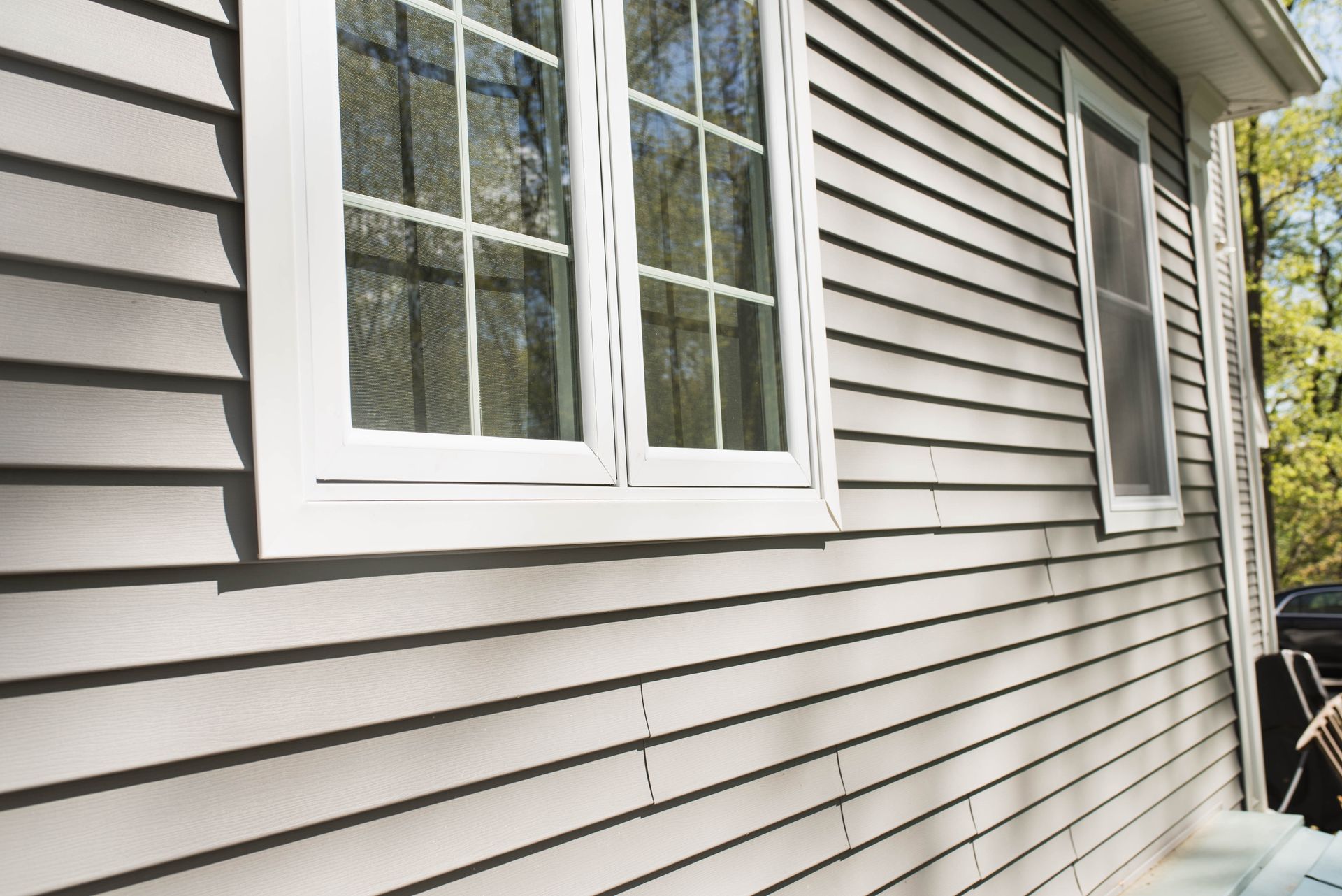
The perimeter edges of your roof system are just as vulnerable to storm forces as the main shingle plane. Soffit panels located underneath the roof overhang and vertical fascia boards along the roofline can easily be torn loose by swirling wind gusts. When wind strips away these protective wooden or vinyl trim pieces, it exposes the raw edges of your roof decking and attic ventilation openings to driving rain and nesting wildlife.
Inspecting your home's exterior trim requires walking around the perimeter and scanning the eaves high above the ground. Look for loose fascia boards, missing soffit vents, or rotting wood along the eaves. Damaged soffits also impair proper attic ventilation, causing heat and moisture to build up inside your home during warmer months. Because repairing soffit and fascia systems involves working safely at elevated heights, relying on licensed local roofers ensures your home's exterior edges are properly rebuilt and sealed against future windstorms.
If you suspect your roof has suffered structural compromise during recent weather events, do not wait for the next rainfall to confirm your fears. Reaching out to dependable local roofers for a professional, full-scale inspection is the most reliable way to assess damage, navigate potential insurance claims smoothly, and restore your home's roof to peak condition. Contact Castle Roofing today to schedule your comprehensive roof evaluation and ensure your home stays fully protected.