August 28, 2026
Choosing new siding is one of the more significant decisions a homeowner can make during an exterior renovation. The material affects your home's appearance, maintenance needs, durability, and overall project cost. Vinyl and fiber cement are two popular options, but they offer notably different benefits. Understanding those differences can make it easier to determine which material aligns with your home's needs and your long-term plans. The siding installation process also plays an important role, since material characteristics can affect labor requirements, project timelines, and the finished appearance.
What Are the Differences Between Vinyl And Fiber Cement Siding?
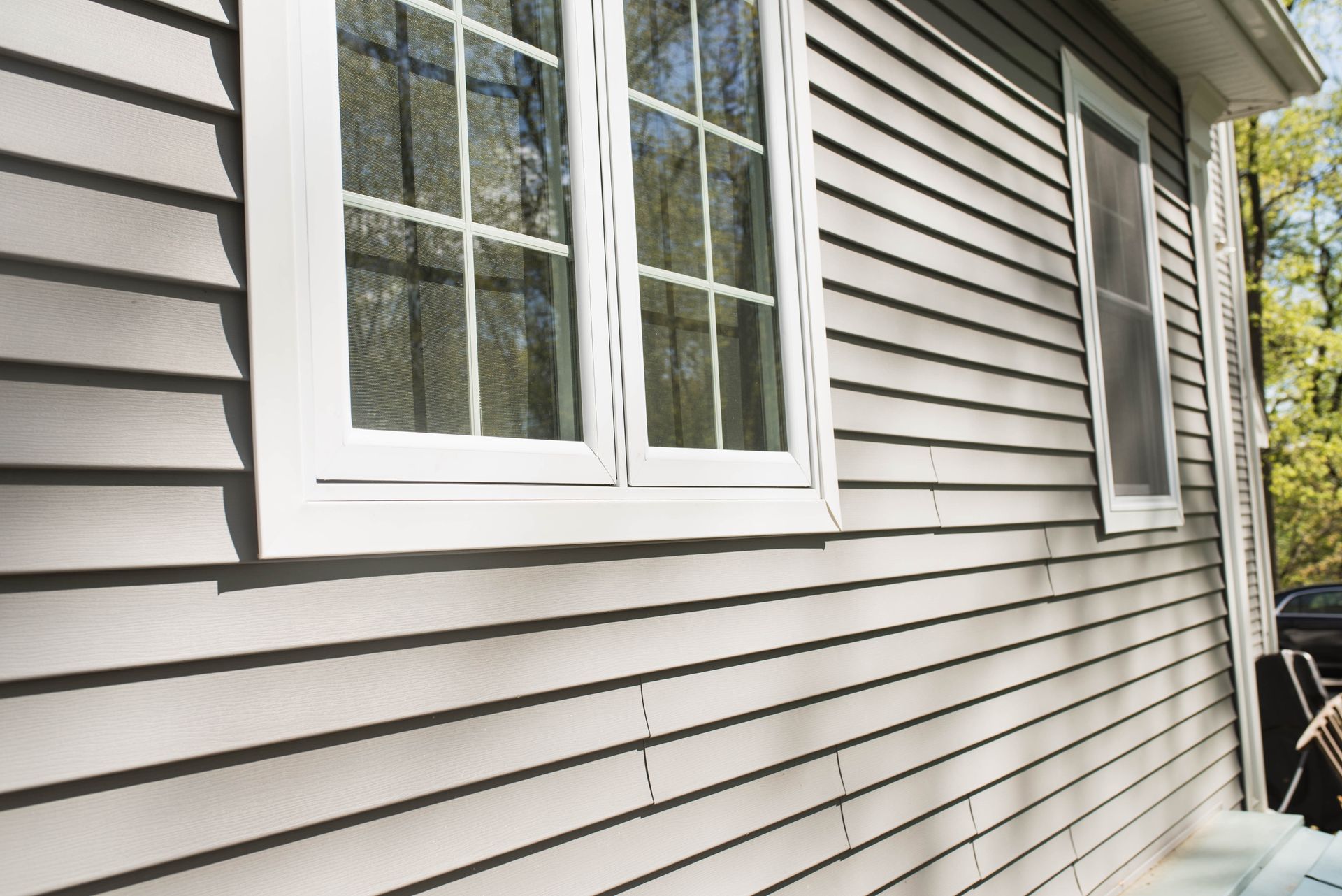
Vinyl siding is made primarily from PVC, a lightweight plastic material designed to withstand outdoor conditions. It is available in numerous colors, textures, profiles, and styles, allowing homeowners to create anything from a traditional appearance to a more contemporary exterior. Because the color is integrated into the material, minor scratches and everyday wear may be less noticeable.
Fiber cement siding is manufactured from a mixture that commonly includes cement, cellulose fibers, sand, and water. The resulting material is considerably heavier and more rigid than vinyl. It can be manufactured to resemble painted wood, shingles, or other siding styles, making it an appealing option for homeowners who want a traditional exterior with a durable material.
The difference in composition affects how the two materials behave during siding installation. Vinyl's lighter weight can make it easier to handle and cut, while fiber cement requires more effort to transport, position, and secure. Fiber cement may also require specialized tools because of its density.
Appearance is another consideration. Vinyl typically provides a consistent finish, while fiber cement can offer a more substantial appearance that closely resembles natural wood. Both materials come in numerous colors and profiles, so homeowners have considerable flexibility when selecting a look.
How Does The Cost Of Siding Installation Compare Between The Two?
Budget is often one of the first considerations when planning siding installation. Vinyl generally has a lower upfront material cost, making it attractive to homeowners looking to complete an exterior renovation without committing to the higher initial expense associated with some premium siding products.
Fiber cement generally costs more than vinyl because of its material characteristics and the additional labor that may be involved. Its weight and cutting requirements can make the installation process more labor-intensive. However, looking only at the initial price does not necessarily provide a complete picture of a siding project's value.
According to Realtor, a survey found that fiber-cement siding recovered about 92% of its cost, while vinyl siding recovered approximately 91%. Those figures suggest that both materials can contribute substantial value when homeowners invest in exterior improvements.
Homeowners should consider the entire project rather than comparing material prices alone. Removal of existing siding, preparation of the exterior, trim, flashing, insulation, labor, and disposal can all affect the final price. Getting a detailed estimate for siding installation can help clarify the actual investment required for each option.
Which Siding Is More Durable?
Durability is another major difference between vinyl and fiber cement. Vinyl is designed to withstand normal exposure to rain, sunlight, and changing temperatures. Quality vinyl siding can last for decades when properly installed and maintained. However, extreme impacts can crack or puncture the material, particularly during severe weather or when objects strike the exterior.
Fiber cement is known for its resistance to several common exterior threats. It generally holds up well against moisture, insects, and temperature fluctuations. Unlike wood, fiber cement does not provide a food source for termites and is not susceptible to rot in the same way untreated wood can be.
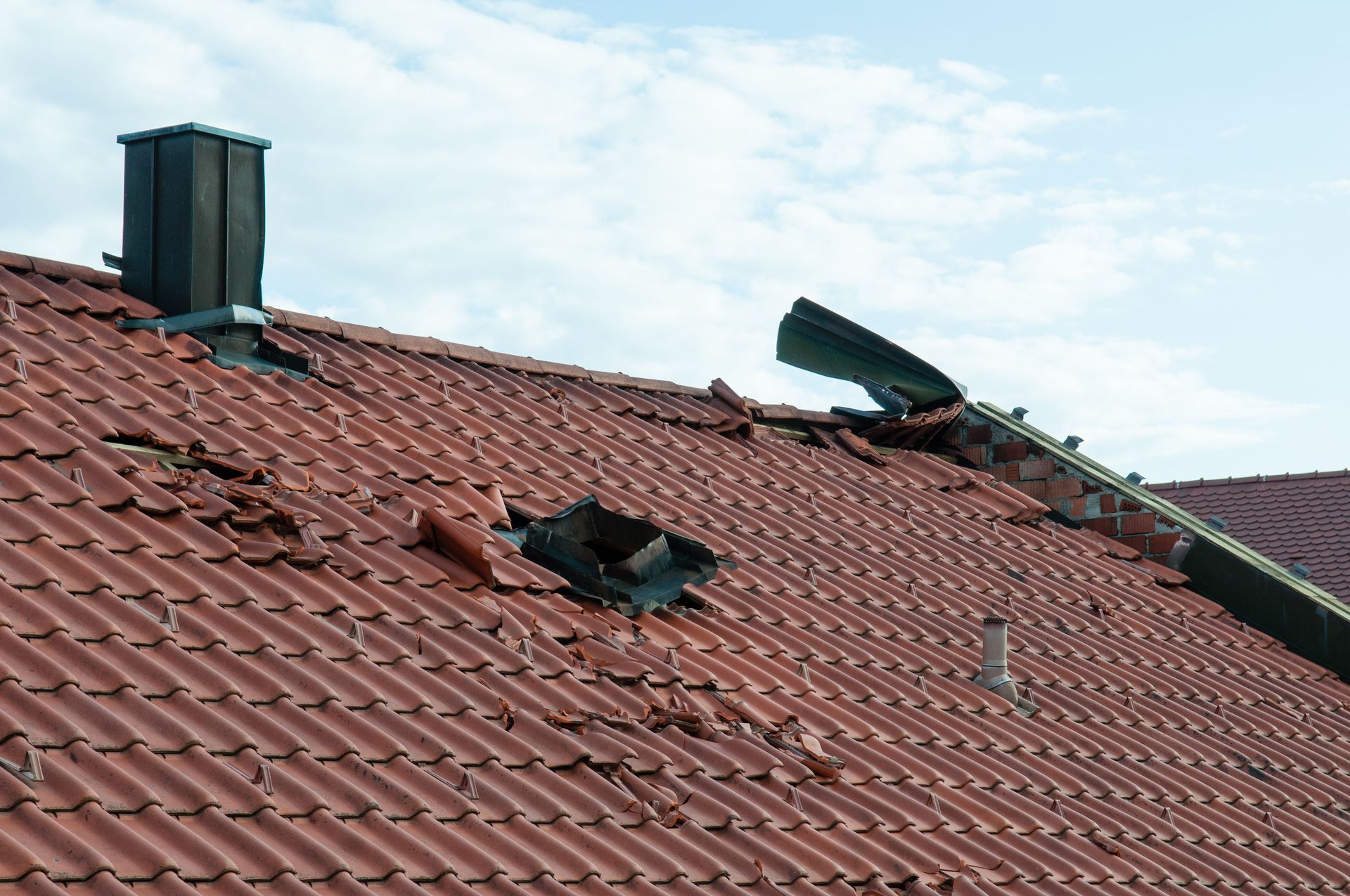
Climate can influence which option makes more sense. Homes exposed to severe storms may benefit from a siding material that can withstand substantial environmental stress. Fiber cement's rigidity can provide an advantage in some situations, although proper installation remains essential for either material.
Vinyl can also perform well in demanding climates when the correct product is selected and installed appropriately. Its flexibility allows it to accommodate some expansion and contraction as temperatures change. Properly installed vinyl siding can remain attractive and functional for many years.
Ultimately, durability depends on more than the material itself. Product quality, installation practices, weather exposure, ventilation, moisture management, and regular inspections can all affect how long siding performs.
What Maintenance Is Required For Each Type Of Siding?
One reason homeowners choose vinyl is its relatively low maintenance requirements. Dirt and other surface buildup can typically be removed with a garden hose, soft brush, or appropriate cleaning solution. Vinyl does not generally require routine painting, which can reduce the amount of ongoing exterior maintenance.
However, vinyl siding should still be inspected periodically. Cracks, holes, loose panels, and damaged trim can allow water to reach areas that should remain protected. Addressing small problems before they spread can help preserve the siding and the underlying wall system.
Fiber cement requires somewhat more maintenance, particularly when it has a painted finish. Although the material itself is durable, painted fiber cement may eventually require repainting as the coating wears. Homeowners should also check for damaged boards, deteriorating caulk around joints, and areas where moisture may be entering.
The maintenance schedule can vary depending on the product, finish, climate, and exposure. Fiber cement may demand more attention than vinyl over time, but that additional maintenance can accompany a longer-lasting, substantial exterior material.
Regular inspections should be part of any siding maintenance routine. Checking corners, seams, trim, windows, doors, and areas around rooflines can help identify potential problems before they become expensive repairs.
How Does Siding Installation Complexity Vary Between The Two?
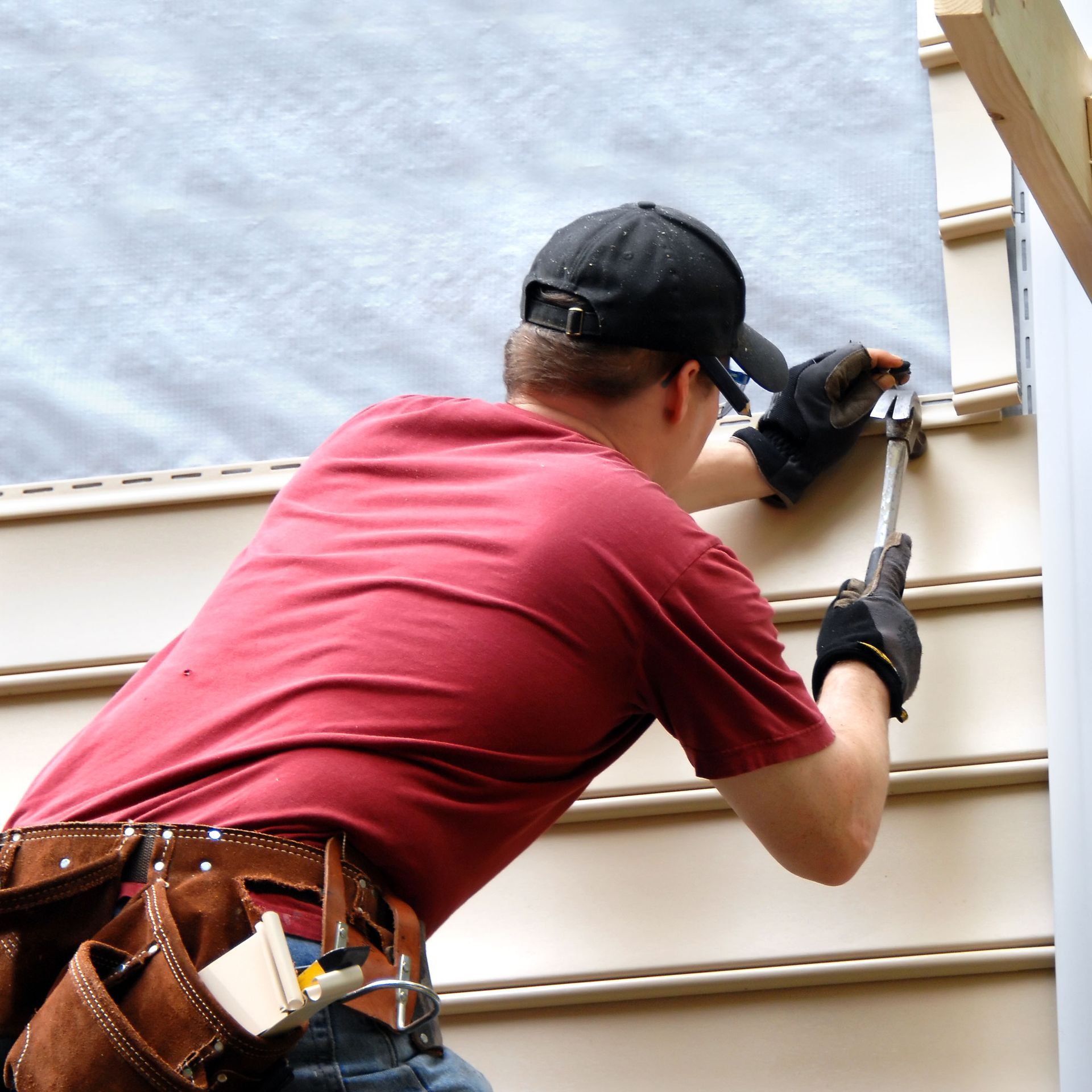
The installation process is one of the clearest differences between vinyl and fiber cement. Vinyl panels are lightweight and relatively easy for trained installers to cut, position, and attach. The panels are designed to interlock, allowing installation crews to work efficiently across large sections of an exterior.
Vinyl's ability to expand and contract also means installers must leave appropriate clearances and avoid fastening panels too tightly. Following manufacturer specifications is important because improper attachment can cause buckling, distortion, or other appearance problems.
Fiber cement requires greater attention during siding installation because the boards are heavier and more rigid. Installers need to account for board placement, fastening, cutting, and joint treatment. Some products may also require painting or finishing after installation, while others come prefinished.
Cutting fiber cement can also generate dust, making appropriate equipment and safety practices important during the project. Because the material is heavier, moving it around the job site can require more labor and planning.
Which Siding Is Right For Your Home?
There is no universal winner between vinyl and fiber cement. Vinyl may be the better choice for homeowners prioritizing affordability, low maintenance, and a straightforward installation process. Its wide range of colors and styles also makes it adaptable to many architectural designs.
Fiber cement may appeal more to homeowners who place greater emphasis on durability, a substantial appearance, and long-term exterior performance. While its upfront cost and installation requirements can be higher, its performance characteristics can make it a worthwhile investment for many properties.
The right decision ultimately depends on your home's location, architectural style, budget, maintenance expectations, and renovation goals. Comparing material costs and obtaining professional estimates before beginning siding installation can provide a clearer understanding of what each option will require.
Vinyl and fiber cement each provide homeowners with meaningful benefits. Vinyl offers affordability, versatility, and relatively simple maintenance, while fiber cement provides a durable alternative with an appearance that can closely resemble traditional wood siding.
The best choice depends on how those characteristics fit your priorities. Consider both the initial investment and long-term maintenance requirements, along with the climate and design of your home. Most importantly, account for the quality of the siding installation itself. Even high-quality siding can experience premature problems when it is improperly installed, while careful workmanship can help either material deliver dependable performance for years. If you're looking for quality siding, reach out to the team at Castle Roofing today!