July 28, 2026
Your roof is the first line of defense protecting your home and family from harsh weather, moisture, and structural damage. Recognizing the warning signs of a declining roof helps you take action before small leaks turn into catastrophic water damage. Partnering with a reliable roofing company allows you to address structural vulnerabilities early while making informed decisions about your property's exterior maintenance.
Assessing the Age of Your Current Roof
Every roofing material comes with a finite lifespan, regardless of how well it was installed or maintained. Standard asphalt shingle roofs typically last between twenty and twenty-five years, while metal options can endure significantly longer under optimal conditions. If your current roof was installed decades ago or laid directly over an older layer of shingles, it is likely reaching the end of its functional life. Scheduling an evaluation with a professional roofing company provides a clear understanding of your roof's remaining lifespan and structural integrity.
As roofs approach the end of their operational cycle, underlying components like underlayment and decking begin to deteriorate. Aging materials become brittle, losing their ability to flex during extreme temperature fluctuations and severe weather events. Even if a roof appears acceptable from the ground, hidden decay can quietly compromise the entire system over time. Having an expert examine the underlying structure ensures that subtle age-related issues are identified before major failures occur.
Spotting Missing or Damaged Shingles
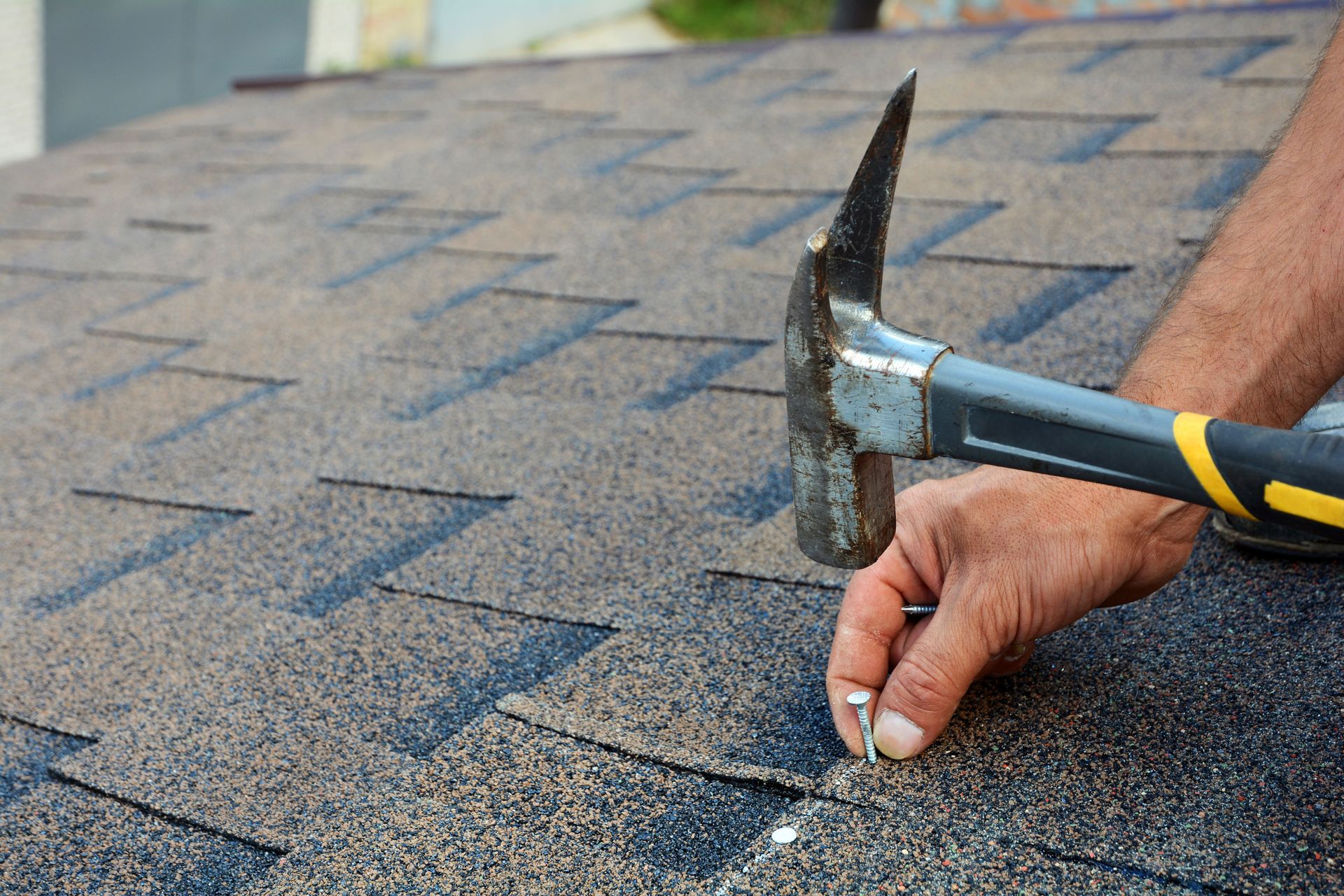
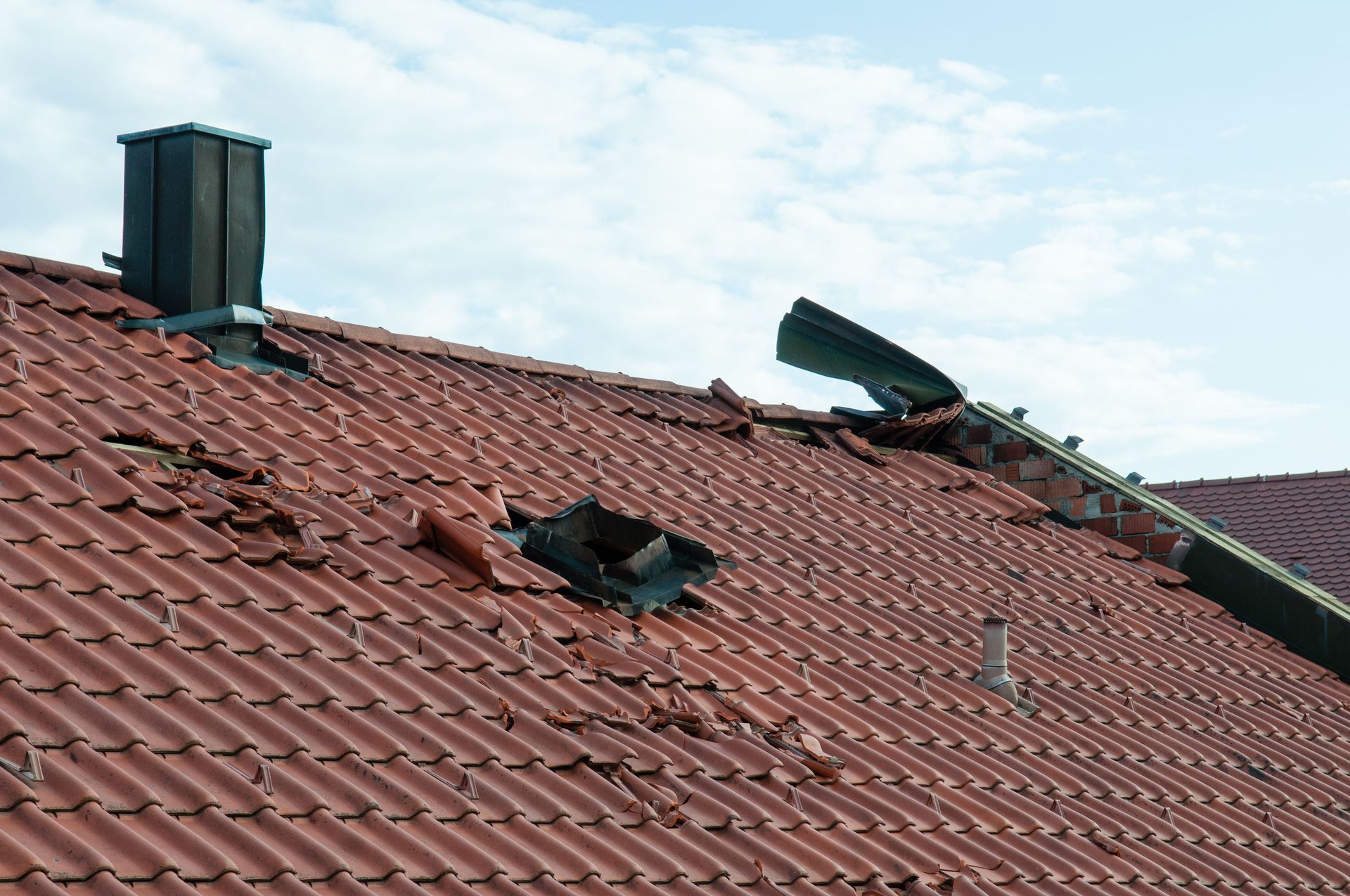
Visible damage on your roof surface is one of the most obvious signs that replacement may be necessary. High winds, heavy storms, and seasonal thermal shifts can cause asphalt shingles to curl, crack, cup, or blow off entirely. When shingles lose their structural form, water can easily seep beneath the protective layer and compromise the underlying decking. High winds can also shear off fragile asphalt tabs along roof edges and ridge lines, leaving critical underlayment exposed to direct driving rain. Working alongside a reputable roofing company helps you determine whether localized shingle replacement will suffice or if a full system replacement is required.
Curling shingle edges and cupping centers indicate that the material has lost its essential moisture resistance and flexibility. When multiple sections of shingles show severe wear across different slopes, patch repairs are rarely a long-term solution. Patching worn shingles often creates uneven surface seals that remain vulnerable to water blow-under during future severe weather events. Leaving widespread shingle damage unaddressed exposes your home to severe water intrusion, structural rot, and secondary interior mold growth. Promptly replacing a damaged roof restores consistent protection and preserves the structural framework of your entire home.
Checking for Granule Loss and Gutter Accumulation
Asphalt shingles are coated with hard mineral granules designed to protect the underlying asphalt from harmful ultraviolet rays. As shingles age, these protective granules loosen and wash down into your gutters during heavy rainfall. Finding dark, sand-like sediment filling your gutters or accumulating near downspouts is a strong indicator that your roof surface is breaking down. Granule wash-off also tends to spike after severe hail storms or intense wind events, which physically dislodge mineral coatings from older shingle sheets. A thorough inspection by an experienced roofing company will reveal whether granule depletion has reached a point where replacement is necessary.
Without an adequate layer of protective granules, bare asphalt shingles become directly exposed to intense sunlight. UV exposure accelerates material drying, causing shingles to crack, bake, and lose their waterproofing capabilities rapidly. Exposed asphalt layers also absorb far more ambient solar heat, raising attic temperatures and degrading structural underlayment membranes prematurely. Once bald spots appear across your roof, the risk of moisture penetration rises significantly during heavy downpours. Routine gutter cleanings offer an excellent opportunity to monitor granule loss and gauge the remaining health of your shingles.
Inspecting Interior Ceilings for Water Leaks
Water stains on upper-story ceilings or inside attic spaces are clear signals that your roof envelope has been breached. Moisture often travels along rafters and roof trusses before dripping onto interior drywall, making the original entry point difficult to locate without specialized training. Peeling paint, soft spots on drywall, or persistent musty odors in top-floor rooms point directly to ongoing roof leaks. Left unchecked, chronic dampness in ceiling cavities quickly creates ideal breeding conditions for toxic mold and mildew colonies. Consulting an established roofing company ensures the source of the leak is accurately pinpointed and resolved before structural framing suffers rot.
In addition to ceiling discoloration, checking the underside of your roof deck in the attic can reveal early warnings. Dark water streaks, rusted nails, and damp insulation all signal that water is penetrating through flashing, valley seams, or deteriorated shingles. Saturated attic insulation loses its thermal resistance rapidly, which forces your home heating and cooling equipment to work much harder to maintain comfortable indoor temperatures. Ignoring minor interior leaks allows moisture to spread silently throughout walls and ceilings, leading to expensive interior restoration projects. Replacing a compromised roof halts water intrusion completely, protecting both your interior living spaces and foundational structure.
Evaluating Rising Energy Bills and Attic Insulation
An unexpected spike in your monthly heating and cooling costs can often be traced back to poor roof health and inadequate attic ventilation. When roofing materials deteriorate, micro-gaps allow conditioned indoor air to escape while outdoor heat or cold seeps directly into your living areas. Modern roofing systems integrate balanced intake and exhaust ventilation alongside proper blown-in insulation to stabilize attic temperatures year-round. This thermal regulation stops trapped moisture from warping underlying wooden rafters during humid summer months. Replacing an outdated roof gives you the opportunity to optimize overall energy performance across your property.
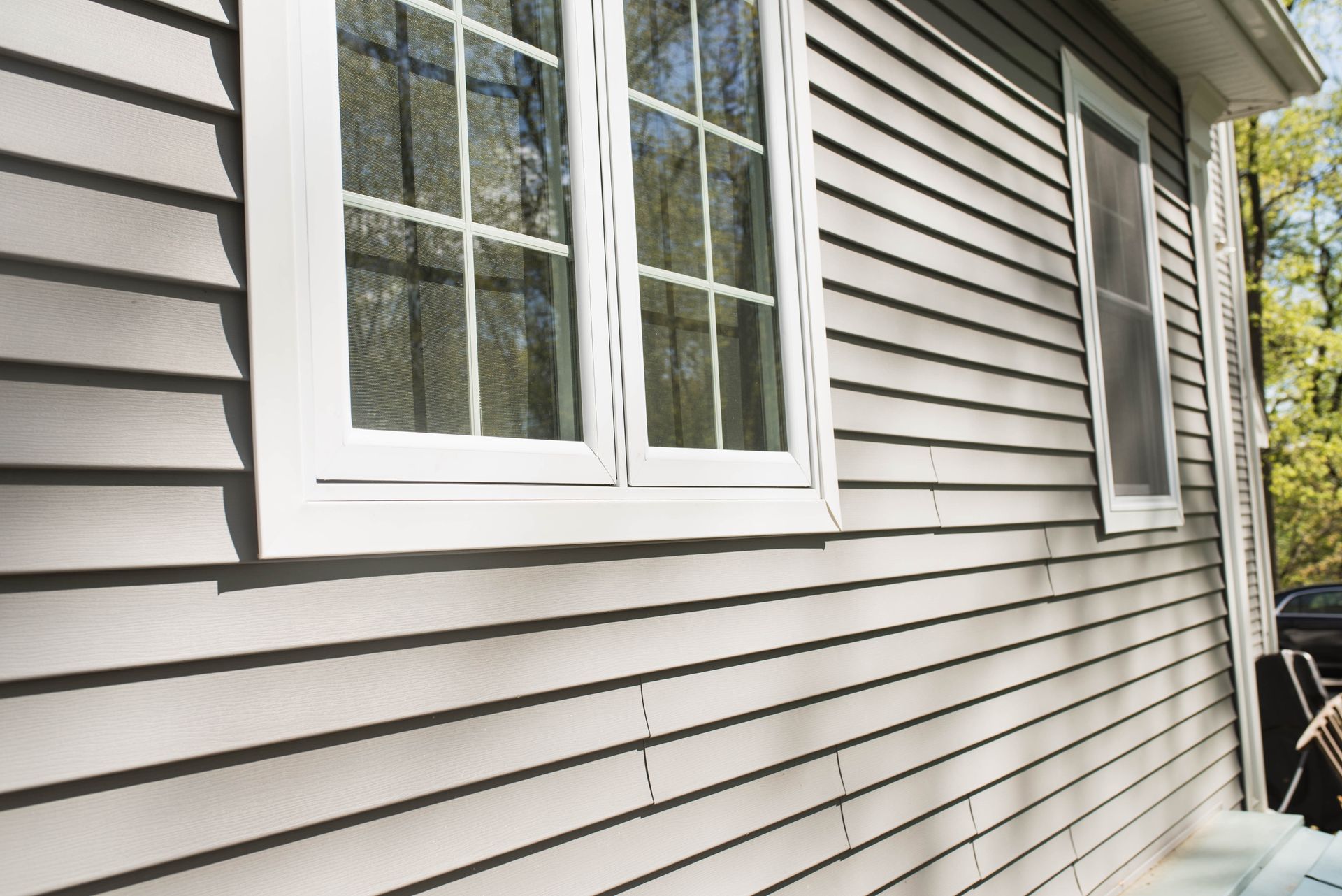
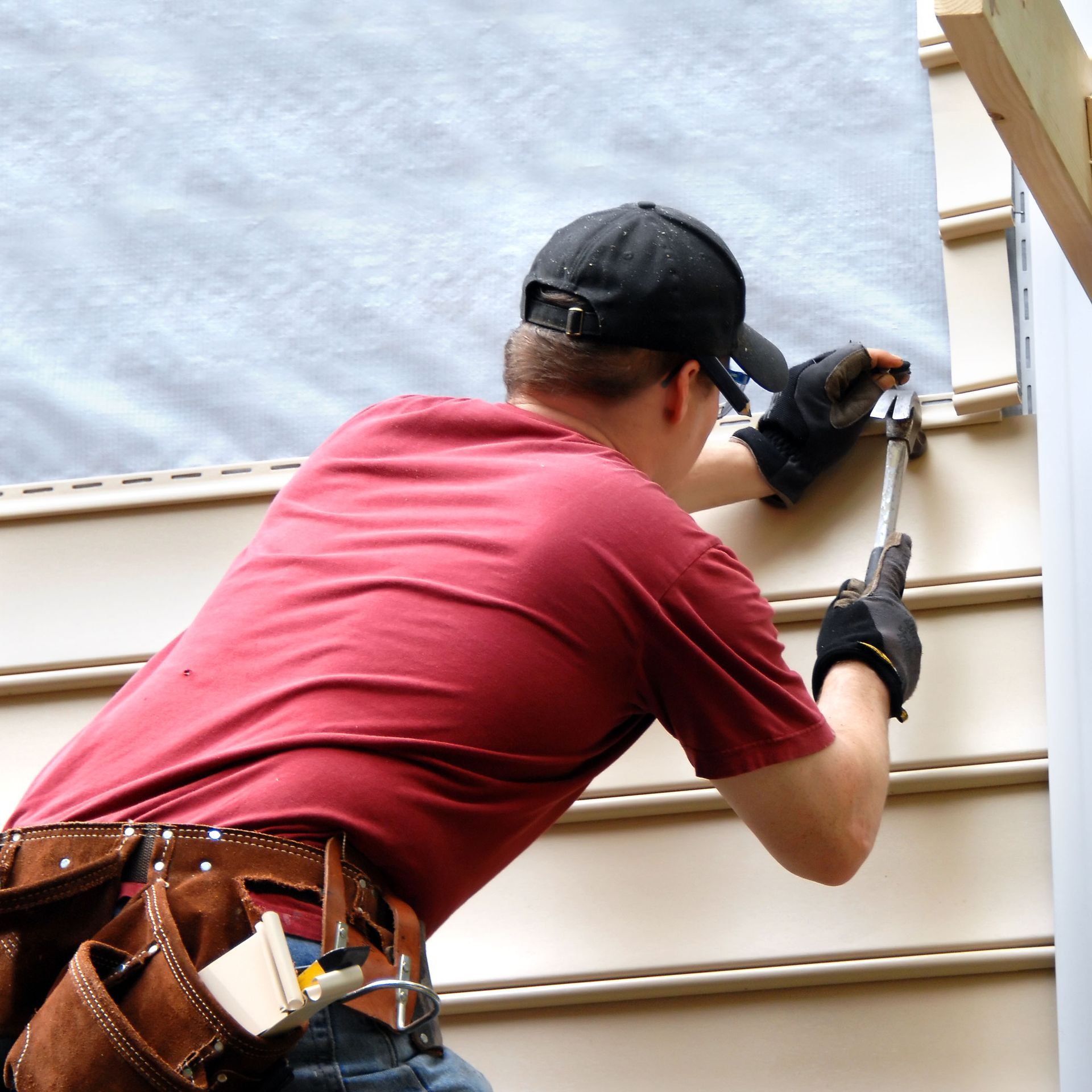
In addition to lowering utility expenses, modernizing your roof system directly boosts overall home value and visual curb appeal. According to Today's Homeowner, a fresh asphalt roof typically returns 60%–70% of its cost in improved home value. Upgrading your roof alongside compatible siding, energy-efficient windows, and updated gutters creates a fully protected, energy-efficient exterior envelope. Furthermore, pairing fresh roofing with modern seamless gutters prevents heavy roof runoff from eroding foundation soil or staining lower siding panels. Choosing an all-in-one upgrade strategy enhances structural durability while maximizing financial return on your property investment.
Planning Your Replacement for Maximum Return
Choosing the right time to replace your roof involves considering climate, material options, and long-term property goals. Whether you select traditional architectural shingles or standing seam metal roofing, proper installation is essential for lasting protection and manufacturer warranty coverage. Partnering with a licensed roofing company guarantees that every component, from underlayment and drip edges to ridge vents and custom metal trim, is installed to precise industry standards.
Proactive roof replacement eliminates the stress and emergency expense of dealing with catastrophic leaks during major storms. Planning your project allows you to select high-performance materials, coordinate secondary exterior updates like custom gutters or new windows, and schedule work at a convenient time. Investing in a high-quality roof replacement shields your property, enhances energy management, and provides peace of mind for decades to come.
Recognizing early warning signs like shingle damage, granule loss, ceiling leaks, and rising energy costs helps you protect your home before severe damage occurs. Upgrading your roof enhances structural security, improves overall curb appeal, and delivers a substantial return on your home investment. For comprehensive roof inspections, repairs, siding, windows, and complete exterior replacements, rely on the experienced team at Castle Roofing to safeguard your property.